Estonia


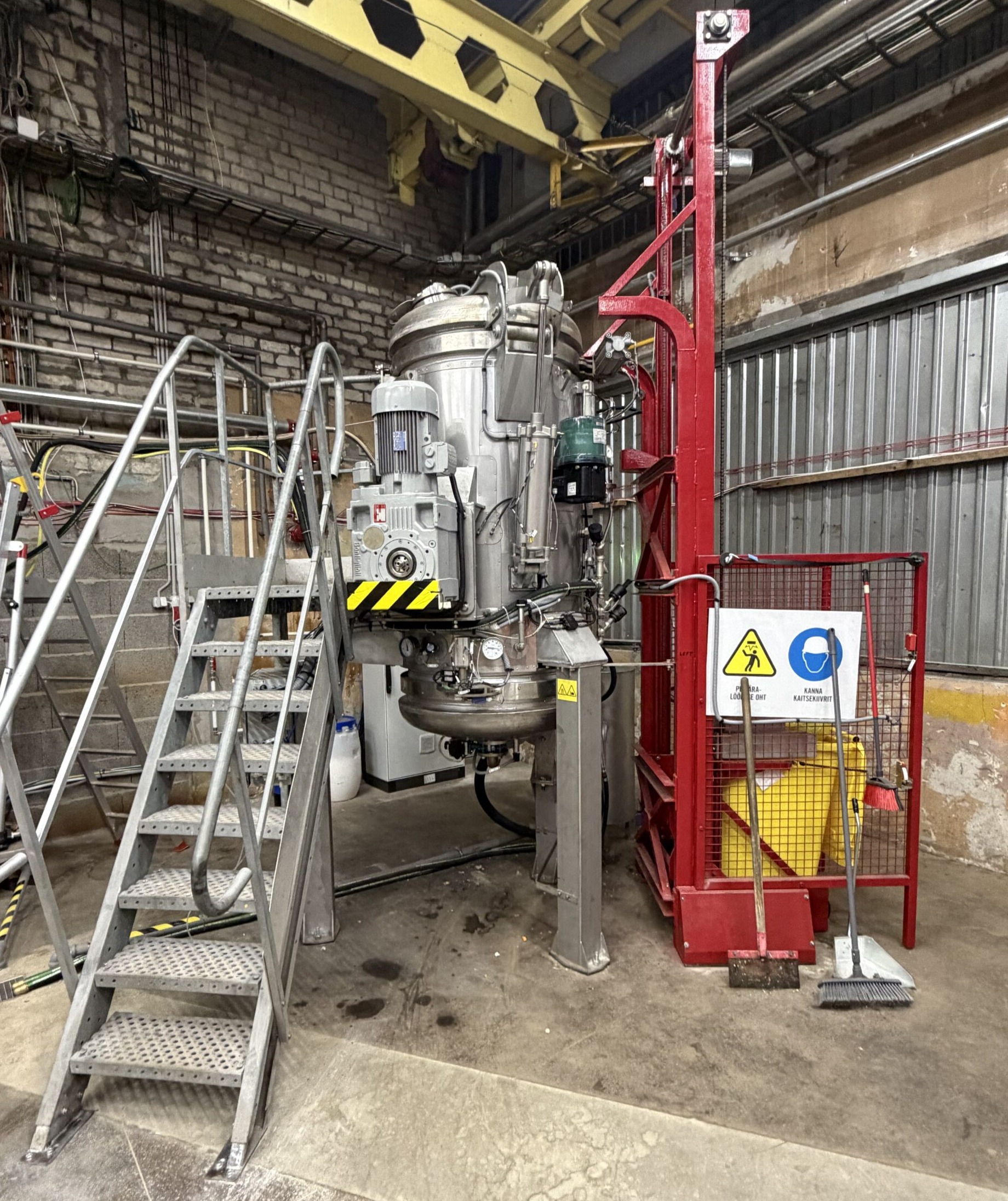
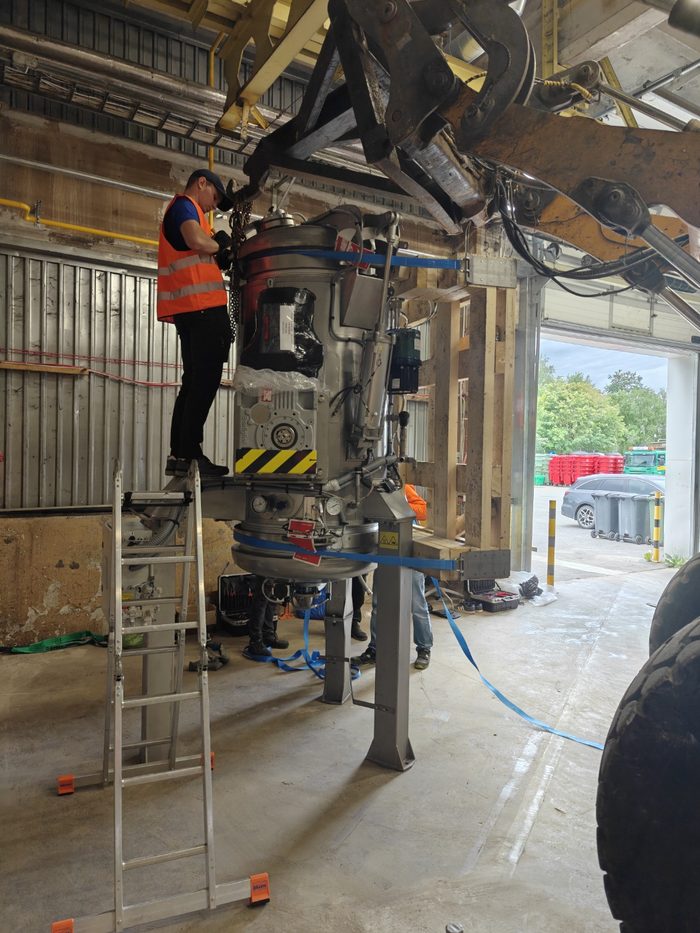
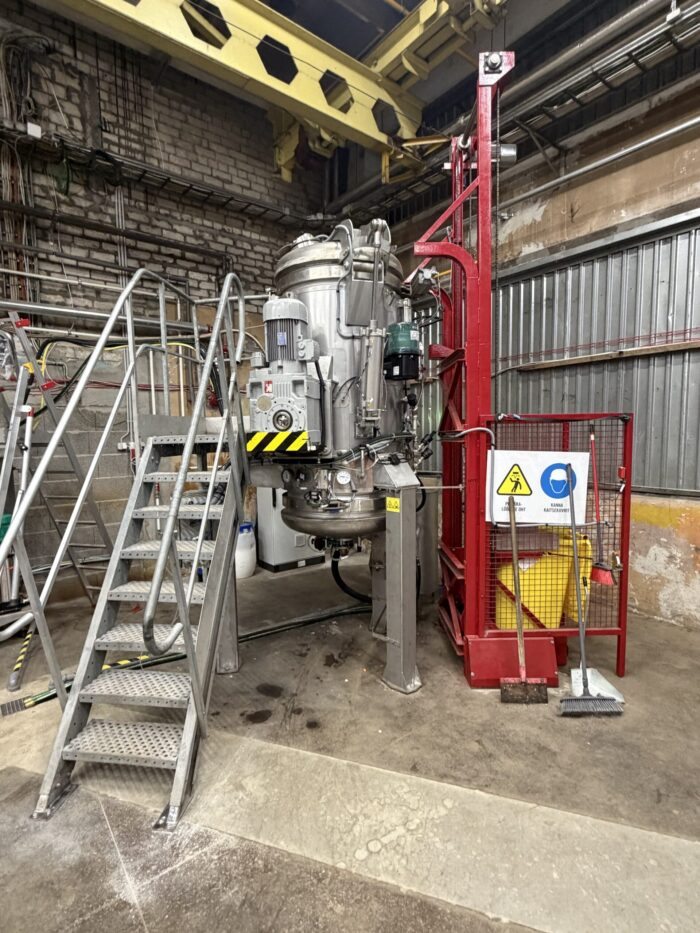
Ragn-Sells’ Tallinn waste management centre can now process hazardous medical waste on-site. The equipment fleet has been expanded with equipment from a French manufacturer Ecodas S.A.S. T300 autoclave, which was supplied and installed by Semetron. Previously, this type of waste was sent to Latvia for recycling, but now the entire process is handled in Estonia.
Shredding and sterilisation in a single process
The Ecodas T300 is an autoclave with an integrated shredder. There is no need to sort or manually handle the waste prior to processing, as shredding and sterilisation take place within the same sealed chamber. Up to 500 litres of waste can be processed in a single cycle.
First, the waste is shredded; the waste mass is then sterilised at 138 °C under a pressure of up to 4.1 bar. During sterilisation, the waste is stirred continuously so that the steam reaches the entire mass evenly and the risk of infection is eliminated. After sterilisation, the waste mass is cooled and discharged from the bottom of the unit for further processing. Following autoclaving, the waste is no longer infectious and can be handled in the same way as normal waste.
The entire process is controlled by an automated control system that constantly monitors temperature and pressure. Loading and unloading are also automated, so staff do not have direct contact with the waste – which makes handling significantly safer than before.
What impact does this have on the environment?
- The biggest change is that this type of waste no longer needs to be transported out of Estonia for recycling. If infectious waste is processed locally in Tallinn, hundreds of kilometres of hazardous waste transport can be avoided – significantly reducing both CO₂ emissions from transport and the risks associated with such transport.
- Secondly, autoclaving is a relatively clean and resource-efficient process. Only steam is used for sterilisation; the process requires no additional chemicals. As everything takes place within a closed system, no flue gases typical of combustion are generated in the unit.
- Thirdly, during the crushing and sterilisation process, the volume of waste is reduced by up to 80 per cent and its weight by up to 40 per cent, depending on the type of waste. This means that significantly fewer resources are required for storage.
„Until now, only two cities in Estonia have had this capacity for handling medical waste, so every new piece of equipment represents a major investment in a safer and more environmentally sustainable future for us all,’ said Henri Lepp, sales manager for sterilisation equipment and hospital furniture at Semetron.”
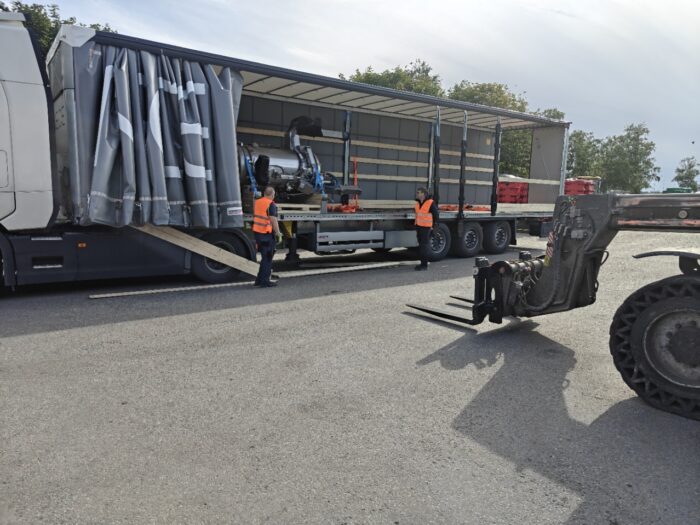
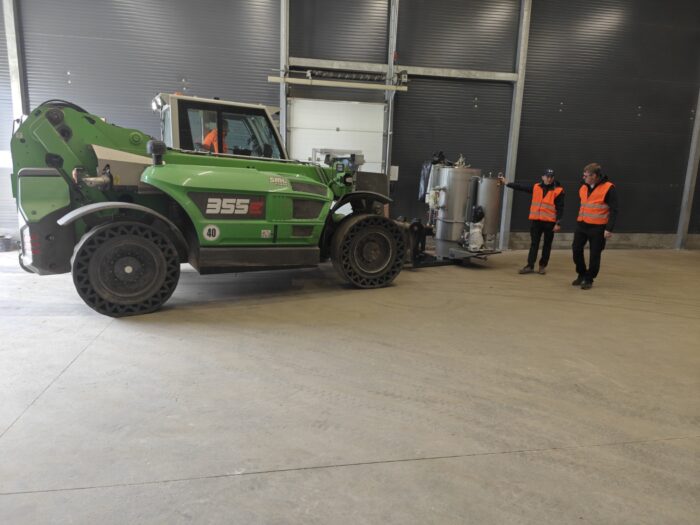
Semetron is Ecodas official distributor in Estonia, and we offer a comprehensive solution: from the selection of equipment to installation, training and maintenance carried out by our own technicians.
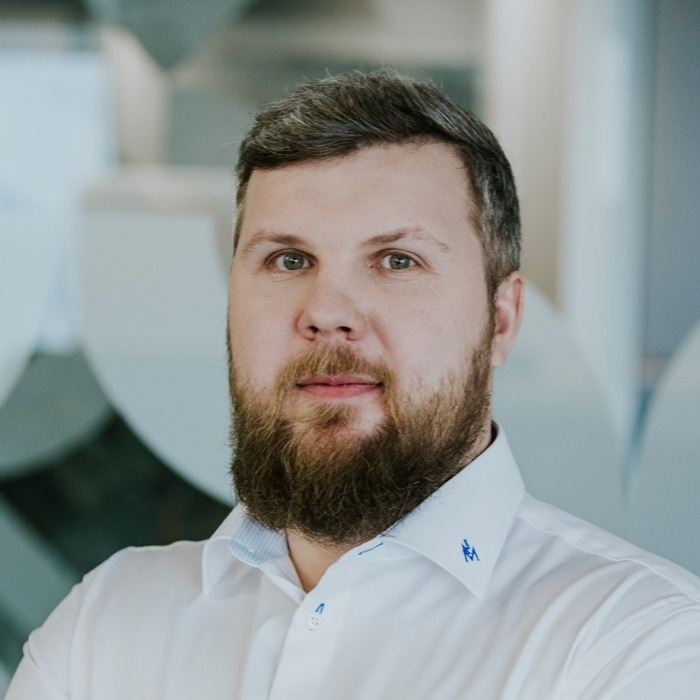
Henri Lepp
Sales Manager of sterilisation equipment and hospital furniture
+372 5660 4096 | henri.lepp/at/semetron.ee